
definir et enregistrer une carte ign en pdf
Understanding IGN Maps and PDF Conversion
Converting IGN maps to PDF allows for easy storage, sharing, and offline access to detailed topographical data, enhancing outdoor adventures and planning capabilities.
What are IGN Maps?
IGN Maps, produced by the Institut Géographique National in France, are renowned for their exceptional detail and accuracy in topographical representation. These maps are essential tools for hikers, outdoor enthusiasts, and professionals requiring precise geographical information. They showcase elevation contours, trails, landmarks, and various points of interest with remarkable clarity.
Traditionally available in paper format, IGN maps are now increasingly accessible as digital raster images. This transition enables users to leverage modern technologies for map viewing, analysis, and conversion. Understanding the source and characteristics of these maps is crucial before attempting digital manipulation, like converting them into a portable PDF format for convenient use.
The Importance of Digital IGN Maps
Digital IGN maps offer significant advantages over their paper counterparts, primarily through enhanced portability and accessibility. Converting these maps to PDF format further amplifies these benefits, allowing for easy storage on various devices and seamless sharing with others.
PDFs maintain map integrity and resolution, ensuring accurate information is always available, even offline. This is particularly valuable during outdoor activities where internet connectivity is unreliable. Furthermore, digital maps facilitate integration with GPS devices and mapping software, enabling precise location tracking and route planning. The ability to manage and utilize IGN maps digitally streamlines outdoor preparation and execution.
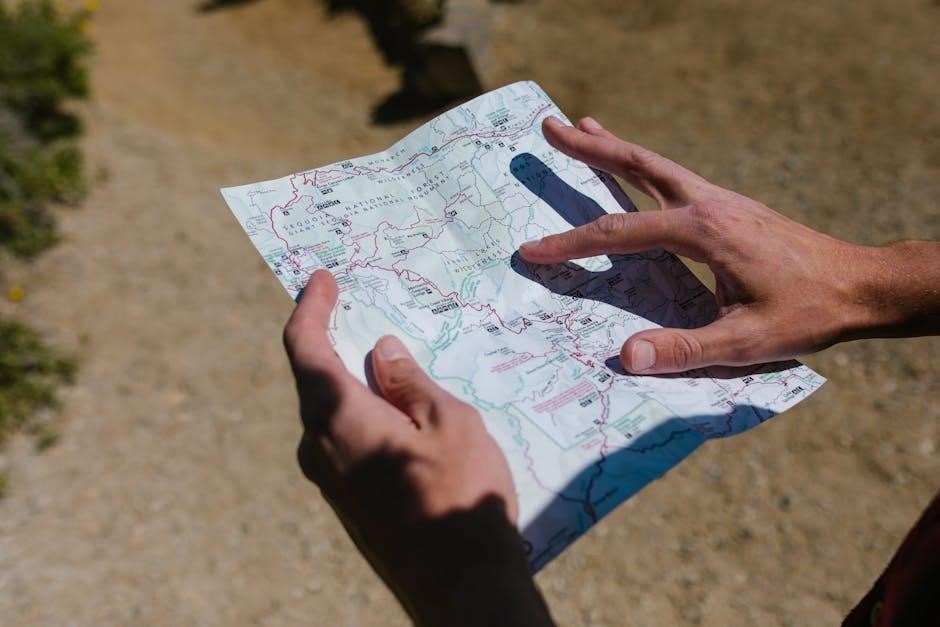
Methods to Define an IGN Map for PDF Creation
Precisely identifying the map tile, determining its coordinates and scale, and selecting the appropriate software are crucial first steps for successful PDF conversion.
Identifying the Specific IGN Map Tile
Locating the exact IGN map tile needed for PDF creation requires understanding the IGN’s mapping system. IGN maps are divided into tiles based on geographical coordinates and scale. Each tile represents a specific area and is identified by a unique code. This code is essential for downloading the correct map data.
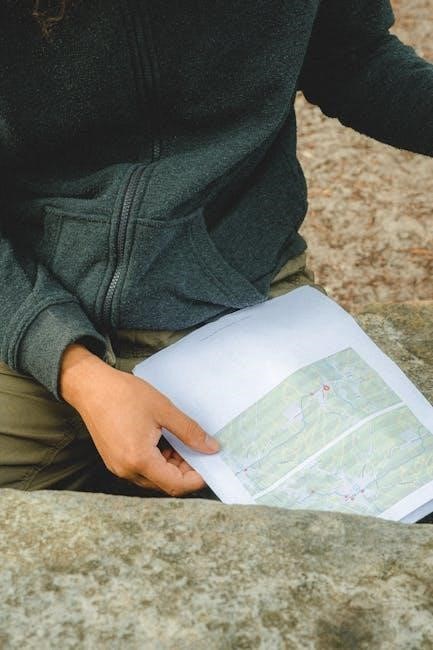
You’ll typically find this code printed on the physical map itself, or through the IGN’s online map viewer, Géoportail. Knowing the tile number ensures you’re converting the precise area you require. Accurate identification prevents errors and ensures the final PDF accurately reflects the desired location. Careful attention to detail during this stage is paramount for a successful conversion.
Determining Map Coordinates and Scale
Establishing the map’s coordinates and scale is crucial for georeferencing during PDF conversion. IGN maps utilize various coordinate systems, commonly Lambert-93 for France. Identifying the correct system ensures accurate alignment within GIS software like QGIS. The map’s scale, typically expressed as 1:25,000 or 1:50,000, dictates the level of detail.
This information is usually found on the map legend. Knowing both coordinates and scale allows for precise georeferencing, preventing distortion in the final PDF. Accurate scale is vital for measurements and spatial analysis performed on the converted map. Confirming these details before proceeding guarantees a reliable and usable PDF document.

Software Options for Converting IGN Maps to PDF
Various software solutions, including QGIS, Adobe Acrobat Pro, and online converters, facilitate converting IGN maps to PDF format, each offering unique features.
QGIS: A Powerful Open-Source Solution
QGIS stands out as a robust, free, and open-source Geographic Information System (GIS) ideal for converting IGN maps to PDF. Its georeferencing capabilities are crucial, allowing precise alignment of map tiles. Users can download IGN map tiles and import them into QGIS, then define their coordinate systems for accurate positioning.
The software’s extensive toolset enables adjustments to map scale and projection, ensuring the final PDF accurately reflects the original IGN map. QGIS supports various raster and vector formats, offering flexibility in handling map data. Furthermore, its PDF export function provides control over output quality, resolution, and compression, resulting in professional-looking maps suitable for printing or digital use. It’s a powerful alternative to commercial GIS software.
Adobe Acrobat Pro: Industry Standard PDF Creation
Adobe Acrobat Pro provides a reliable and widely-used solution for converting IGN maps to PDF, offering a streamlined workflow. Users can directly import IGN map images into Acrobat Pro and utilize its editing tools to adjust brightness, contrast, and color balance for optimal clarity.
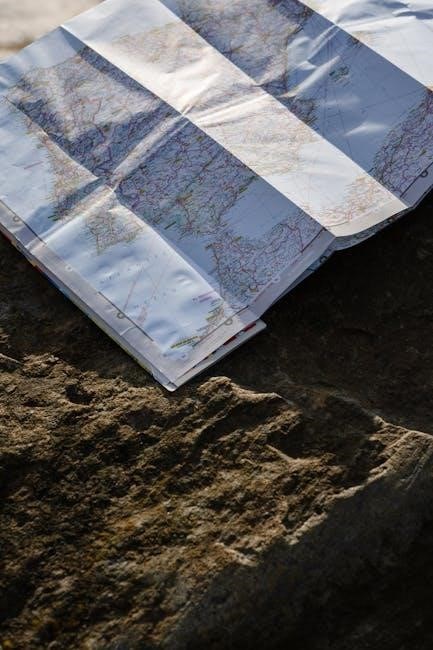
The software’s advanced features allow for precise control over PDF settings, including resolution, compression, and security options like password protection. Acrobat Pro excels in creating high-quality PDFs suitable for professional printing or detailed digital analysis. It also facilitates adding metadata and optimizing file size for efficient sharing and storage, making it a comprehensive choice for IGN map conversion.
Online IGN Map to PDF Converters
Numerous online converters offer a quick and accessible method for transforming IGN maps into PDF format, often requiring no software installation. These tools typically allow users to upload an IGN map image directly from their computer or provide a URL where the image is hosted.
While convenient, it’s crucial to consider the security and privacy implications when using online converters, especially with sensitive map data; Many free options may have limitations on file size or conversion quality. Premium services often provide enhanced features and greater reliability, ensuring a professional-grade PDF output suitable for various applications.

Steps to Convert an IGN Map to PDF Using QGIS
QGIS facilitates converting IGN maps to PDF through georeferencing, downloading tiles, and exporting the project with customized settings for optimal quality.
Downloading IGN Map Tiles
Acquiring the necessary IGN map tiles is crucial before conversion. Several methods exist, often involving specialized software or online services designed for accessing French national geographic data. These services typically allow users to define a specific geographic area and download corresponding raster tiles.
Ensure the downloaded tiles cover the entire area of interest for your map. Pay attention to the tile format (often GeoTIFF) and resolution, as these factors impact the final PDF quality. Some platforms may require registration or subscription for access. Proper organization of downloaded tiles into a structured folder system is recommended for efficient georeferencing within QGIS, streamlining the subsequent conversion process.
Georeferencing the Map in QGIS
Georeferencing aligns the downloaded IGN map tiles with a known coordinate system, essential for accurate spatial representation in the PDF; Within QGIS, import the raster tiles and initiate the georeferencing process. This involves identifying Ground Control Points (GCPs) – recognizable features on both the map and a known geographic dataset.
Precisely define these GCPs, linking map coordinates to real-world locations. QGIS uses this information to transform the image, correcting for distortions. A higher number of well-distributed GCPs improves accuracy. After transformation, assess the residual errors to ensure acceptable georeferencing quality before proceeding to PDF export.
Exporting the Georeferenced Map as a PDF
Once the IGN map is accurately georeferenced within QGIS, exporting to PDF is straightforward. Utilize the “Export” menu and select “Export Map to PDF;” Configure settings to optimize the output for your needs, including resolution (DPI) for print quality or lower values for smaller file sizes.
Specify the desired page size and orientation. Consider embedding the coordinate reference system within the PDF to preserve geospatial information. QGIS allows for advanced customization, such as adding a legend or scale bar. Finally, choose a file name and location, then initiate the export process to create your georeferenced IGN map PDF.

Steps to Convert an IGN Map to PDF Using Adobe Acrobat Pro
Acrobat Pro facilitates converting IGN map images into PDFs, offering tools to adjust settings, optimize quality, and ensure accurate representation for various uses.
Importing the IGN Map Image
Begin by opening Adobe Acrobat Pro and navigating to the “File” menu, selecting “Create” and then “PDF from File.” Locate the saved IGN map image on your computer – typically a JPG or TIFF file – and select it. Acrobat Pro will then process the image, converting it into a PDF document. Ensure the image resolution is sufficient for clear viewing and printing; higher resolution generally yields better results.
Alternatively, you can directly drag and drop the IGN map image file into the open Acrobat Pro window. This method achieves the same outcome, initiating the PDF creation process. Once imported, review the initial PDF preview to confirm the image loaded correctly and appears as expected before proceeding to further adjustments.
Adjusting Map Settings in Acrobat Pro
After importing the IGN map image, utilize Acrobat Pro’s tools to optimize its appearance. Access the “Enhance Scans” feature to correct any skewing or perspective distortions present in the original image. Adjust brightness and contrast to improve readability, ensuring topographical details are clearly visible. Explore color correction options if needed, though preserving the original map colors is generally recommended.
Furthermore, consider using the “Optimize PDF” function to reduce file size without significant quality loss. This is particularly useful for sharing or storing the map digitally. Experiment with different compression settings to find a balance between file size and image clarity, tailoring the PDF to your specific needs.
Saving as a PDF with Desired Quality
When saving your IGN map as a PDF in Acrobat Pro, prioritize quality settings for optimal detail. Select “High Quality Print” to retain maximum resolution, crucial for accurate map reading and potential printing. Alternatively, “Medium Quality” offers a good balance between file size and visual fidelity for digital use.
Explore the “Advanced Optimization” options to fine-tune compression levels and image quality. Ensure compatibility by selecting a PDF standard (e.g., PDF/A for long-term archiving). Consider embedding fonts to guarantee consistent appearance across different devices. Finally, add metadata like map title and date for easy identification and organization.

Managing and Utilizing Your IGN Map PDF
Digital IGN map PDFs offer secure storage, easy sharing, and convenient printing options, enhancing map accessibility for planning and navigation purposes.
PDF Security and Password Protection
Protecting your converted IGN map PDFs is crucial, especially when containing sensitive route information or personal notes. Most PDF software, including Adobe Acrobat Pro and even some online converters, allows you to apply password protection. This restricts access, preventing unauthorized viewing or modification of the map data.
You can set different passwords for opening the PDF and for changing its permissions, adding layers of security. Consider this vital if sharing maps publicly or storing them on shared drives. Furthermore, digital signatures can verify the map’s authenticity and integrity, ensuring it hasn’t been tampered with since conversion. Regularly review and update security settings to maintain optimal protection of your valuable IGN map resources.
Optimizing PDF Size for Sharing and Storage
Large IGN map PDFs can consume significant storage space and become cumbersome to share, particularly via email or mobile devices. Optimizing the file size without sacrificing crucial detail is essential. Software like QGIS and Adobe Acrobat Pro offer compression options during PDF export. Reducing image resolution, removing unnecessary metadata, and utilizing lossless compression algorithms can dramatically decrease file size.
Consider creating separate PDFs for different map sections to manage file sizes effectively. For online sharing, explore cloud storage solutions with compression features. Balancing file size and map clarity is key – prioritize essential details while minimizing unnecessary data to ensure efficient storage and seamless sharing experiences.
Printing IGN Maps from PDF Format
PDF format ensures consistent print quality for IGN maps, regardless of the printer used. Before printing, verify the map scale within the PDF settings to match your desired output size. Utilize your printer’s settings to select appropriate paper type – waterproof options are ideal for field use. Consider printing in color for optimal topographic detail, though grayscale is sufficient for basic navigation.
For larger maps, explore tiled printing options to assemble a complete map from multiple pages. Always perform a test print to confirm accuracy and color fidelity before committing to a full print run. Proper PDF settings and printer configuration guarantee clear, accurate, and durable IGN map reproductions.

Amazon Store Card Bill Payment Options
Convenient payment methods include online account access, guest payment options, and linking your Citi credit card directly to your Amazon account for seamless transactions.
Paying Online Through Your Account
To manage your Amazon Store Card bill online, begin by logging into your dedicated online account through the Synchrony Bank website or the Amazon website. Once authenticated, navigate to the payment section and select “Make a Payment.” You’ll then be prompted to specify the payment amount and choose a payment date.
Payment sources typically include bank accounts or other linked funding options. Review the details carefully before submitting, ensuring accuracy to avoid delays or issues. Your payment history and available credit will also be readily accessible within your account dashboard, providing a comprehensive overview of your card activity.
Using the “Pay as Guest” Feature
Amazon offers a convenient “Pay as Guest” option for quick, one-time bill payments without requiring a full account login. This feature is ideal for those who prefer not to create or access an online profile. To utilize it, you’ll need your Amazon Store Card number, the payment amount, and your preferred payment method details readily available.
Access the “Pay as Guest” link on the Amazon Store Card payment page, and carefully enter the requested information. Double-check all details for accuracy before submitting your payment. Note that this method doesn’t provide access to payment history or account management features.
Linking Your Citi Credit Card to Amazon
For streamlined payments and potential rewards, linking your Citi credit card directly to your Amazon account is a beneficial option. This process simplifies future transactions, eliminating the need to manually enter card details each time you make a purchase or pay your Amazon Store Card bill.
To begin, sign in to your Citibank online account. Navigate to the section for managing linked accounts and follow the instructions to add your card to Amazon.com. Once linked, your Citi card will be a readily available payment method within your Amazon wallet, offering convenience and potentially enhanced rewards benefits.