knife guide
Knife Guide: A Comprehensive Overview (Updated 03/16/2026)
Today’s date is 03/16/2026 05:08:05. This guide explores essential knife types, steel qualities, and proper maintenance, impacting food preparation significantly for all cooks.
Knives are fundamental kitchen tools, dramatically influencing cooking quality. From the versatile chef’s knife – capable of slicing, dicing, and mincing – to specialized blades, understanding their purpose is key. A chef’s knife’s price varies widely, reflecting steel quality and construction. Serrated knives excel at bread slicing, preventing crushing. Proper knife selection enhances efficiency and safety. Amateur cooks recognize performance differences based on shape, sharpness, age, and steel type. Choosing the right knife for each task streamlines food preparation and elevates culinary results.
The Importance of a Chef’s Knife
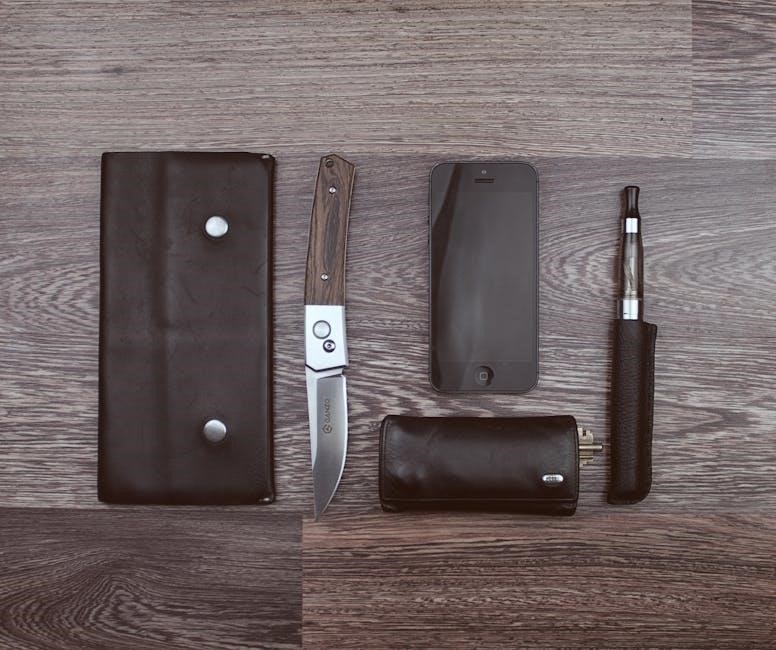
A classic chef’s knife is the cornerstone of any cook’s toolkit. Its versatility allows for a wide range of tasks, from precisely slicing meats to efficiently dicing vegetables and even mincing garlic. Performance varies significantly between knives, impacting the cooking experience. A good chef’s knife is a foundational investment, ranging in price from a specialty latte to hundreds of dollars. It’s a tool amateur and professional cooks alike rely on, making it arguably the most important knife in the kitchen.
Chef’s Knife Steel Types
The type of steel dramatically influences a chef’s knife’s performance and longevity. Three primary options exist: high-carbon stainless steel, carbon steel, and Damascus steel. High-carbon stainless offers a balance of sharpness, durability, and stain resistance. Carbon steel provides exceptional sharpness but requires diligent maintenance to prevent rust. Damascus steel, known for its beautiful patterns, combines multiple steel types for strength and edge retention. Choosing the right steel depends on your priorities – ease of care, ultimate sharpness, or aesthetic appeal.
High-Carbon Stainless Steel
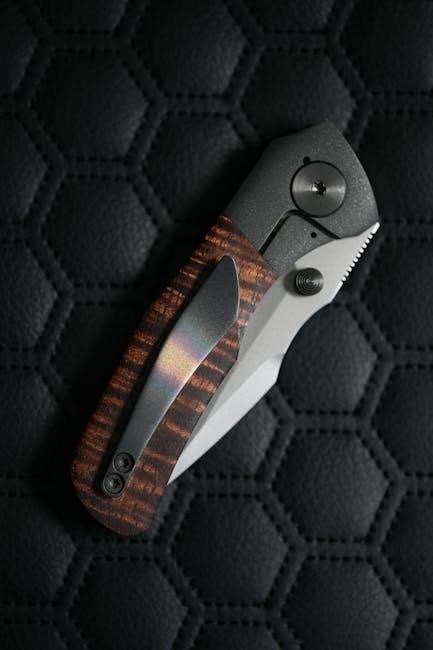
High-carbon stainless steel is a popular choice for chef’s knives due to its excellent balance of properties. The addition of chromium provides stain resistance, a significant advantage over pure carbon steel. Despite the stainless aspect, the high carbon content allows for achieving and maintaining a remarkably sharp edge. These knives generally require less intensive maintenance than carbon steel, making them ideal for cooks seeking performance without excessive upkeep. They range widely in price, offering options for various budgets and skill levels.
Carbon Steel

Carbon steel knives are renowned for their exceptional sharpness and ease of sharpening. Lacking chromium, they are susceptible to rust and require diligent care – regular cleaning, drying, and occasional oiling are essential. Despite this maintenance, many chefs prefer carbon steel for its superior edge retention and the tactile experience of using a truly responsive blade. While potentially demanding, the performance benefits and traditional feel make carbon steel a favored choice for serious culinary professionals and enthusiasts.
Damascus Steel
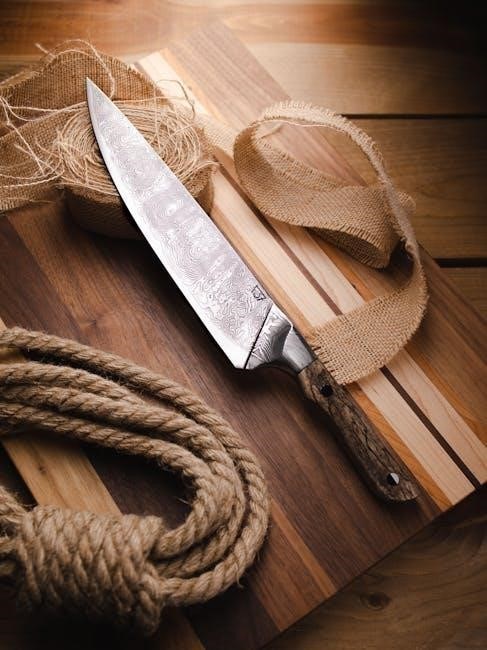
Damascus steel knives are visually striking and highly prized for their durability and performance. Created by folding different steel types together, they exhibit beautiful patterns on the blade. This process combines the hardness of high-carbon steel with the toughness of other alloys, resulting in a blade that holds a sharp edge while resisting chipping and breaking. Though often expensive, Damascus steel offers a unique blend of artistry and functionality, making it a sought-after material for both professional chefs and collectors.
Essential Kitchen Knife Types
A well-equipped kitchen relies on a variety of knives, each designed for specific tasks. Beyond the chef’s knife, essential tools include the paring knife for detailed work, the serrated knife for breads and delicate items, and the versatile utility knife for everyday chopping. These knives, when properly maintained, significantly improve efficiency and precision in food preparation. Understanding their individual strengths allows cooks to tackle any recipe with confidence, ensuring optimal results and a safer, more enjoyable cooking experience.
Paring Knife: Precision and Detail
The paring knife excels at intricate tasks where a larger blade would be cumbersome. Ideal for peeling fruits and vegetables, removing blemishes, or creating garnishes, its small size offers exceptional control. This knife’s precision makes it invaluable for detailed work like deveining shrimp or coring tomatoes. A sharp paring knife is a cornerstone of efficient kitchen prep, allowing for delicate cuts and minimizing waste. Mastering its use elevates presentation and streamlines complex recipes, proving its worth in any culinary setting.
Serrated Knife: Bread and More
Serrated knives are uniquely designed with a saw-tooth edge, making them perfect for foods with a tough exterior and soft interior. Their primary function is slicing bread without crushing it, as the serrations effortlessly cut through the crust while leaving the soft crumb intact. However, their versatility extends beyond bread; they excel at slicing tomatoes, citrus fruits, and even cakes. Unlike smooth blades, serrated knives don’t require downward pressure, ensuring clean, even slices every time, enhancing both presentation and enjoyment.
Utility Knife: The Versatile All-Rounder
The utility knife bridges the gap between a chef’s knife and a paring knife, offering a blend of precision and capability. Typically ranging from 4 to 7 inches in blade length, it’s ideal for smaller tasks that a chef’s knife might find cumbersome. This makes it perfect for trimming meats, slicing smaller vegetables, and even preparing sandwiches. Its adaptability makes it a staple for both amateur and professional cooks, providing a reliable solution for a wide range of kitchen duties, proving its worth daily.
Knife Anatomy: Understanding the Parts
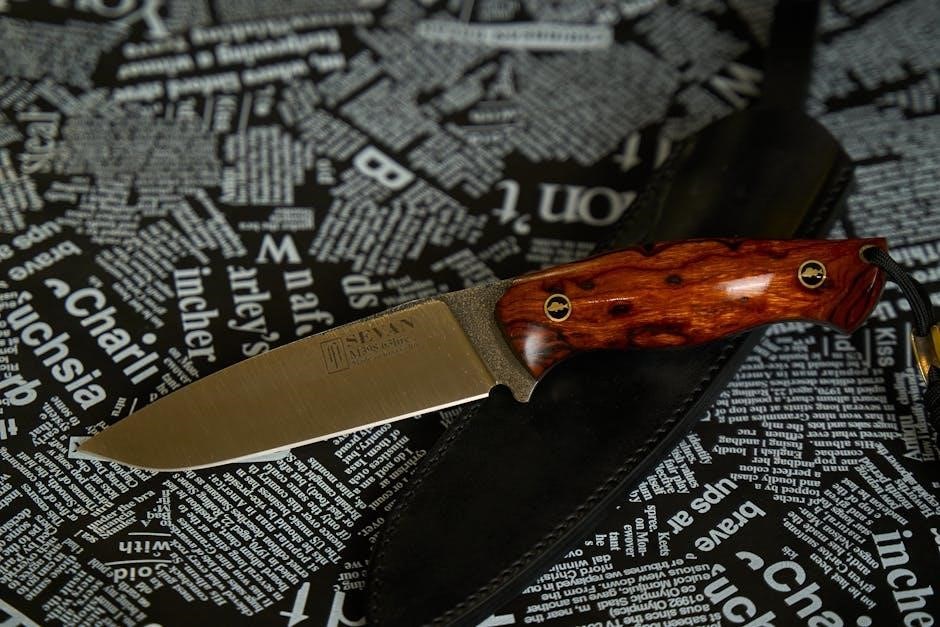
A knife isn’t just a blade; it’s a carefully engineered tool with distinct components. The blade’s shape and profile dictate its function, influencing slicing or chopping efficiency. The handle, crafted from various materials, impacts grip and comfort, crucial for control. Crucially, the tang – the portion extending into the handle – can be ‘full’ for balance and durability, or ‘partial’ for cost reduction. Understanding these elements – blade, handle, and tang – is fundamental to appreciating a knife’s quality and selecting the right tool for any culinary task.

Blade: Shape and Profile
The blade’s shape profoundly impacts a knife’s performance. Different profiles excel at specific tasks; a curved blade rocks for chopping, while a straighter one suits slicing. Blade thickness also matters – thinner blades glide through delicate items, while thicker blades offer robustness for dense foods. The grind, referring to the blade’s angle, influences sharpness and edge retention. Understanding these nuances – shape, thickness, and grind – allows cooks to choose blades optimized for their preferred cooking styles and ingredients, maximizing efficiency and precision.
Handle: Materials and Ergonomics
A knife handle’s material and design are crucial for comfort and control. Common materials include wood, synthetic polymers (like plastic), and composite materials. Ergonomics dictate how well the handle fits the hand, minimizing fatigue during extended use. A well-balanced handle contributes to precise movements. Consider handle shape – Western-style handles offer a fuller grip, while Asian-style handles are often lighter and more nimble. Prioritizing a comfortable, secure grip enhances safety and efficiency in the kitchen, improving overall culinary experience.
Tang: Full vs. Partial
The tang refers to the portion of the blade that extends into the handle; A “full tang” runs the entire length of the handle, providing superior balance and durability. This construction generally results in a more robust and stable knife. Conversely, a “partial tang” doesn’t extend as far, potentially compromising strength. While partial tangs can reduce weight, they may be more prone to breakage under stress. Choosing a knife with a full tang is often recommended for professional use or demanding kitchen tasks, ensuring longevity.
Knife Sharpening and Maintenance
Maintaining a sharp knife is crucial for safety and efficiency in the kitchen. Regular honing with a steel realigns the blade’s edge, extending time between sharpenings. Sharpening, using stones of varying grits, actually removes metal to create a new edge. Proper technique is vital; start with coarser grits and finish with finer ones. Safe storage, like a block or magnetic strip, prevents damage. Neglecting maintenance leads to dullness, increasing the risk of accidents and making food preparation more difficult.
Sharpening Stones: Grit and Technique
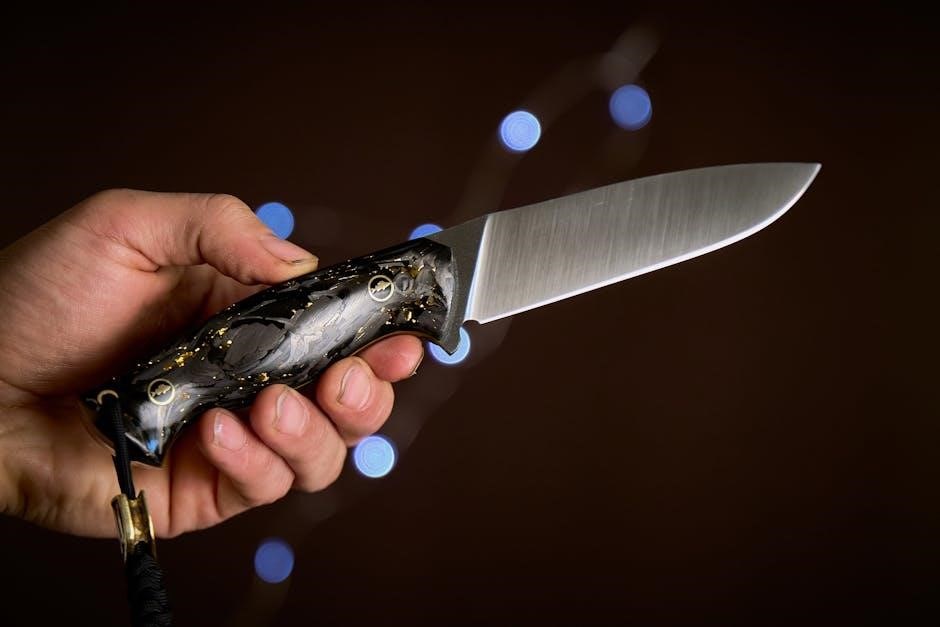
Sharpening stones are categorized by grit, influencing the sharpening process. Coarse grits (200-400) rapidly remove metal for repairing damaged blades. Medium grits (800-1000) refine the edge, while fine grits (3000-8000) polish it to razor sharpness. Technique involves maintaining a consistent angle – typically 15-20 degrees – and using even pressure. Lubricate the stone with water or oil. Practice is key; mastering the motion ensures a clean, sharp edge, enhancing both safety and culinary precision.
Honing Steel: Daily Edge Care
A honing steel doesn’t sharpen, but realigns the blade’s microscopic edge. Daily use causes the edge to roll, diminishing sharpness. Honing straightens this rolled edge, restoring performance. Hold the steel vertically and maintain a 15-20 degree angle, drawing the blade down and across the steel in a smooth arc. Alternate sides with each stroke. This routine maintenance extends the time between sharpenings, preserving the knife’s cutting ability and ensuring consistent, safe performance in the kitchen.
Safe Knife Storage
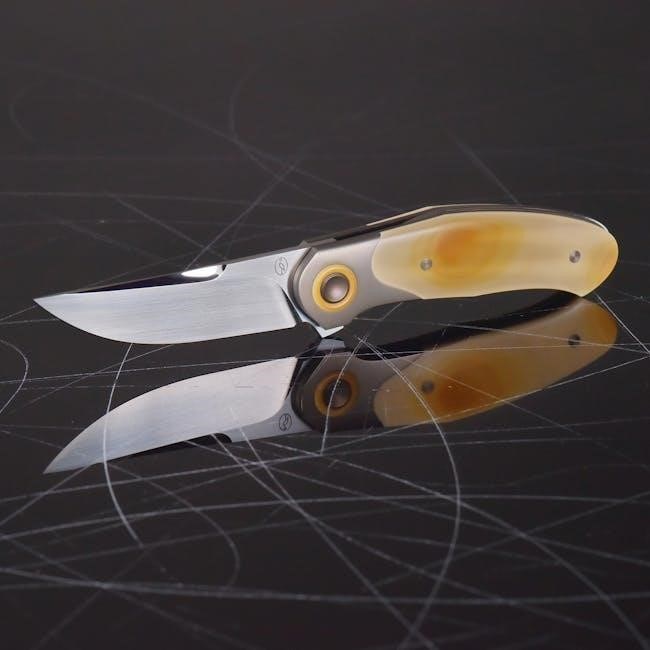
Proper storage protects both your knives and yourself. Avoid tossing knives loosely into drawers, as this dulls the blades and poses a safety hazard. Ideal solutions include knife blocks, magnetic strips, or blade guards. Knife blocks offer individual slots, while magnetic strips securely hold knives on the wall. Blade guards protect edges during storage in drawers. Regularly inspect storage solutions for cleanliness and stability, ensuring knives remain safely contained and readily accessible when needed for culinary tasks.
Choosing the Right Knife for the Task
Selecting the appropriate knife dramatically improves efficiency and safety in the kitchen. Meat knives, like carving or butchering knives, feature longer blades for clean cuts through proteins. Vegetable knives, often shorter and with straighter edges, excel at dicing and slicing produce. A chef’s knife remains versatile for many tasks, but specialized knives enhance precision. Considering the task at hand—whether it’s slicing bread with a serrated knife or mincing garlic with a chef’s knife—ensures optimal results and minimizes effort.
Meat Knives: Carving and Butchering
Dedicated meat knives are essential for preparing poultry, beef, and pork effectively. Carving knives boast long, thin blades for slicing roasts and poultry with precision, creating uniform portions. Butchering knives, often heavier and sturdier, facilitate breaking down larger cuts of meat and removing bones. Flexible blades are ideal for filleting fish. The right meat knife minimizes waste and ensures clean, professional-looking results, enhancing both presentation and the overall dining experience. Sharpness is paramount for safety and efficiency.
Vegetable Knives: Dicing and Slicing
For efficient vegetable preparation, specialized knives offer distinct advantages. While a chef’s knife handles many tasks, smaller knives excel at detail work. A paring knife’s compact size is perfect for peeling and intricate cuts. Utility knives bridge the gap, offering versatility for medium-sized vegetables. Precise dicing and even slicing are achievable with sharp blades and proper technique. Maintaining sharpness is crucial for safety and preventing crushing, preserving texture and nutrients within the vegetables during preparation.
Historical Significance of Knives
Knives possess a long and complex history, extending far beyond culinary applications. Historically, they represented status and power, evolving from flint tools to sophisticated weaponry. The infamous “Night of the Long Knives” in 1934, a purge ordered by Hitler, demonstrates a darker side of their influence. Throughout history, knives have been integral to survival, hunting, and cultural rituals. Ancient civilizations valued them as both tools and symbols, reflecting societal structures and beliefs. Their enduring presence highlights their fundamental role in human development.
The “Night of the Long Knives” (1934)
This chilling event, orchestrated by Adolf Hitler, transpired from June 30th to July 2nd, 1934. It involved the purge of the Sturmabteilung (SA), Hitler’s original paramilitary wing, eliminating perceived political rivals. The SA’s leadership, including Ernst Röhm, was targeted and murdered, solidifying Hitler’s absolute control. This brutal act, aptly named the “Night of the Long Knives,” wasn’t a spontaneous outburst but a calculated move to consolidate power and appease the German army. It represents a dark chapter illustrating the destructive potential associated with knives and political ambition.
Knife Safety and Handling
Prioritizing safety is paramount when wielding any knife. Always maintain a firm grip and focus intently on your cutting task. Employ the “claw grip” with your non-dominant hand to protect fingers. Cut away from yourself, never towards your body. A stable cutting board is crucial; dampening it prevents slippage. Never attempt to catch a falling knife – let it drop and step back. Store knives securely, ideally in a block or sheath, to prevent accidental cuts. Respect the tool, and it will serve you safely.
Caring for Your Knives: Cleaning and Oiling
Proper care extends a knife’s lifespan and maintains its performance. Immediately after use, hand wash knives with warm, soapy water – avoid dishwashers, as they can dull blades. Dry thoroughly to prevent rust and corrosion. Periodically oil the blade with mineral oil to protect against moisture and maintain its sheen. Store knives properly, avoiding contact with other utensils. Regular cleaning and oiling are essential for preserving the integrity of the steel and ensuring years of reliable service.
Modern Knife Innovations
Contemporary knife design focuses on enhanced ergonomics and advanced materials. Innovations include ceramic blades offering exceptional sharpness and resistance to corrosion, though they are brittle. Handle materials now incorporate lightweight composites and textured grips for improved control. Laser technology refines blade geometry for optimal cutting performance. Smart knives with integrated scales and digital sharpening guides are emerging. These advancements cater to both professional chefs and home cooks, pushing the boundaries of culinary tool technology.