
a teacher is one who guides or leads
The Enduring Role of the Teacher: Guiding Beyond Instruction
Teachers, often undervalued despite their heroic efforts, are pivotal guides as education navigates the rise of AI and evolving societal needs.
The Historical Context of Teaching as Guidance
Throughout history, the essence of teaching has consistently revolved around guidance, extending far beyond mere knowledge transmission. From ancient mentorships to modern classrooms, educators have always steered learners toward understanding and growth. This role predates formal schooling, rooted in the natural human impulse to share wisdom and experience.
Early civilizations valued teachers as keepers of cultural heritage, guiding youth in ethical conduct and practical skills. Even as pedagogical methods evolved, the guiding principle remained central. The current landscape, marked by technological disruption and societal shifts, echoes this historical pattern – teachers are now navigating students through a complex digital world, fostering critical thinking and adaptability.
The enduring need for a guiding hand highlights the timeless importance of the teacher’s role.
Early Philosophies: Mentorship and the Transmission of Knowledge
Ancient philosophical traditions universally emphasized mentorship as the cornerstone of learning, positioning teachers as guides rather than simply information providers. Socrates’ method, for example, centered on leading students through questioning, fostering independent thought. Similarly, Confucianism stressed the teacher-student relationship as a moral and intellectual partnership.
These early approaches prioritized character development alongside knowledge acquisition, viewing teachers as role models shaping future citizens. The transmission of knowledge wasn’t merely rote memorization, but a guided journey toward wisdom. This historical emphasis on guidance resonates today, particularly as educators grapple with the challenges of fostering holistic development in a rapidly changing world.
The teacher’s role, historically, has been to illuminate the path.
The Shift from Rote Learning to Facilitated Discovery
The 20th and 21st centuries witnessed a significant pedagogical shift, moving away from traditional rote learning towards student-centered, facilitated discovery. This evolution redefined the teacher’s role from a ‘sage on the stage’ to a ‘guide on the side,’ fostering critical thinking and problem-solving skills.
Progressive education movements championed experiential learning, emphasizing hands-on activities and collaborative projects. Teachers became facilitators, designing learning environments that encouraged exploration and self-directed inquiry. This approach acknowledges that true understanding arises not from passive reception, but from active engagement and guided exploration.
Today’s educators navigate this shift, balancing curriculum demands with the need to nurture independent learners, guiding them towards knowledge.
The Modern Teacher: A Multifaceted Guide
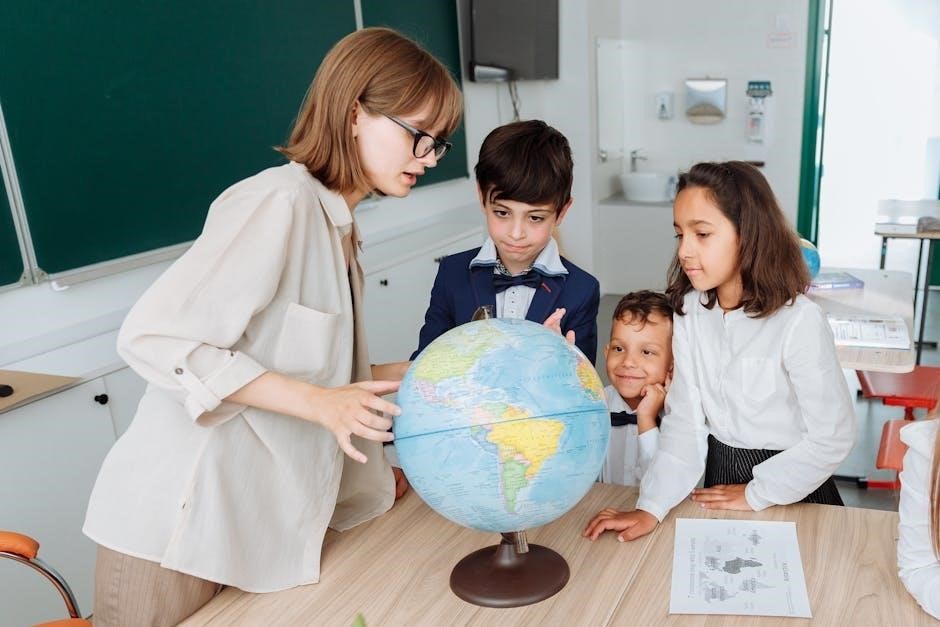
Contemporary teachers expertly guide holistic student development, navigating emotional intelligence, diverse learning styles, and the pressures of modern education systems.
Beyond Curriculum: Nurturing Holistic Development
The modern educator’s role transcends simply delivering a prescribed curriculum; they are guides fostering the complete well-being of each student. This involves recognizing that learning isn’t solely academic, but encompasses emotional, social, and personal growth. Teachers, facing challenges like burnout and standardized testing pressures, must prioritize nurturing a student’s character and resilience.
Mothers, as highlighted in recent discussions, exemplify this guiding role throughout a child’s life, adapting their approach as the child matures. Similarly, teachers must adapt, creating supportive environments where students feel safe to explore, question, and develop a growth mindset. This holistic approach prepares students not just for future careers, but for fulfilling lives as engaged citizens.
Emotional Intelligence and the Teacher’s Role
A crucial aspect of guiding students in the 21st century lies in the teacher’s emotional intelligence. Recognizing that many educators are currently experiencing burnout – a consequence of systemic pressures – highlights the need for self-awareness and empathy. Teachers must navigate a landscape where students face increasing anxieties and diverse emotional needs.
Effective guidance requires building trust and rapport, actively listening to students, and understanding their individual challenges. Just as mothers intuitively adapt their teaching style to their children’s evolving needs, teachers must demonstrate emotional sensitivity. This fosters a safe learning environment where students feel valued and supported, ultimately enhancing their academic and personal development.
Adapting to Diverse Learning Styles
Guiding students effectively demands recognizing that a ‘one-size-fits-all’ approach to education is obsolete. Modern classrooms encompass a spectrum of learning styles, requiring teachers to be adaptable and resourceful. This mirrors the evolving role of a mother, who adjusts her teaching methods as her child progresses through different developmental stages.
Teachers must move beyond traditional curriculum delivery and embrace differentiated instruction. Utilizing technology as a tool – not a replacement for human interaction – allows for personalized learning paths. Addressing equity and access is paramount, ensuring all students, regardless of background, receive the support they need to thrive. This adaptive guidance is key to unlocking each student’s potential.

The Teacher as a Guide in the 21st Century
Teachers now navigate a digital world, leading students through complex information and emerging technologies like AI, fostering critical thinking skills.
Navigating the Digital Landscape
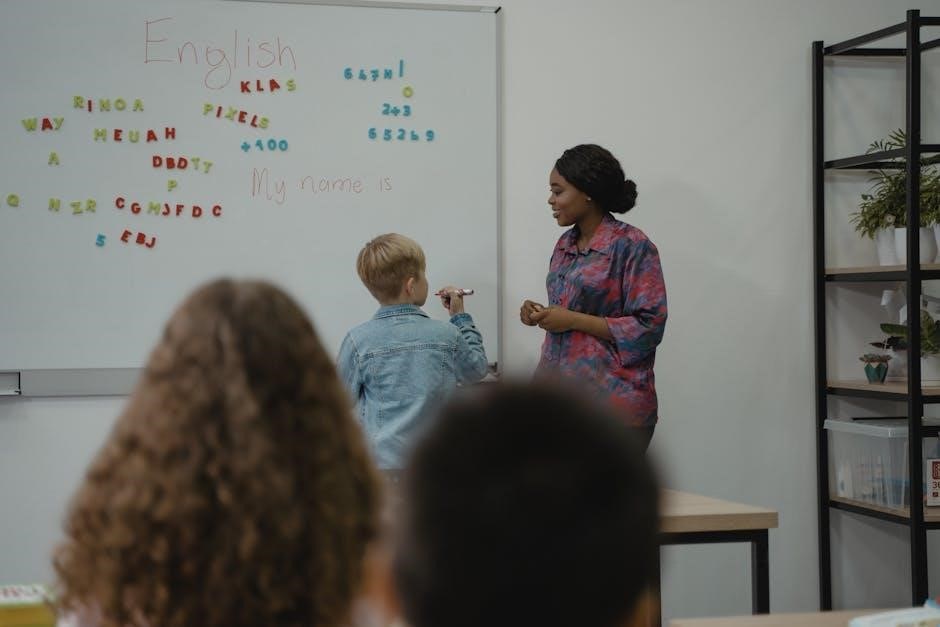
The 21st-century classroom is profoundly shaped by technology, demanding teachers become adept navigators of this evolving digital landscape. This isn’t simply about integrating devices; it’s about skillfully guiding students through a world saturated with information, discerning credible sources, and fostering responsible digital citizenship. Teachers must lead by example, demonstrating ethical online behavior and promoting safe internet practices.
Furthermore, the influx of digital tools requires continuous professional development for educators. They need to learn how to effectively utilize these resources to enhance learning, personalize instruction, and address diverse student needs. The challenge lies in harnessing technology’s potential while mitigating its distractions and potential pitfalls, ensuring it serves as a powerful tool for guidance, not a replacement for meaningful teacher-student interaction.
Integrating Technology as a Tool, Not a Replacement
Effective teachers understand that technology is a powerful amplifier of their guidance, not a substitute for it. The core of education remains the human connection – the ability to inspire, mentor, and foster critical thinking. Technology should serve to enhance these qualities, providing personalized learning experiences and access to vast resources, but always under the teacher’s skillful direction.
The concern that AI and digital tools might diminish the teacher’s role is valid, yet misguided. A teacher guides students in interpreting information, applying knowledge, and developing essential skills that algorithms cannot replicate. The focus should be on leveraging technology to free up teachers’ time for individualized support, deeper engagement, and cultivating a love of learning – truly leading their students towards success.
Addressing the Impact of AI on Education
The emergence of AI presents both challenges and opportunities, demanding that teachers evolve their guiding roles. As AI tools become more prevalent, educators must focus on cultivating uniquely human skills – creativity, critical thinking, and complex problem-solving – that AI currently lacks. Teachers will guide students in ethically navigating AI-generated content, discerning truth from misinformation, and understanding the limitations of these technologies.
Furthermore, teachers will need to adapt their methods to prepare students for a future workforce profoundly shaped by AI. This involves fostering adaptability, lifelong learning, and the ability to collaborate effectively with intelligent systems. The teacher’s role shifts from delivering information to facilitating understanding and empowering students to become informed, responsible users of AI.

The Challenges Facing Teachers Today

Teachers face burnout and systemic pressures, yet remain steadfast guides, navigating standardized testing and equity gaps while supporting student well-being.
Teacher Burnout and the Need for Support
The demanding role of a teacher, extending far beyond instruction, increasingly leads to burnout. These dedicated guides are expected to nurture holistic development, adapt to diverse learners, and now, navigate the complexities of AI integration – all while often feeling underappreciated and under-resourced. Reports indicate a significant number are leaving the profession, creating instability within school systems.
Effective support systems are crucial. This includes not only competitive compensation but also robust mental health resources, reduced administrative burdens, and opportunities for ongoing professional development focused on innovative teaching strategies. Recognizing teachers as the essential guides they are, and providing them with the tools to thrive, is paramount to ensuring a sustainable and effective educational future for all students.
The Impact of Standardized Testing on Teaching Methods
As guides, teachers strive to foster genuine understanding and critical thinking, yet standardized testing often narrows the curriculum and dictates pedagogical approaches; The pressure to achieve high scores can inadvertently shift focus from holistic development to rote memorization, hindering a teacher’s ability to personalize learning experiences. This creates a tension between guiding students towards deeper knowledge and preparing them for narrowly defined assessments.
A balanced approach is vital. While accountability is important, over-reliance on standardized tests can stifle creativity and limit a teacher’s capacity to nurture individual student strengths. Empowering teachers to utilize diverse assessment methods, and valuing their professional judgment, is essential for truly guiding students towards lifelong learning and success.
Addressing Equity and Access in Education
As guides, teachers are uniquely positioned to champion equity and access, recognizing that students arrive with diverse backgrounds, needs, and opportunities. Bridging achievement gaps requires a proactive approach, dismantling systemic barriers and providing tailored support to ensure every student can thrive. This means advocating for resources, culturally responsive pedagogy, and inclusive learning environments.
Teachers must navigate challenges like unequal funding, limited access to technology, and societal biases. Their role extends beyond instruction to mentorship, creating safe spaces where all students feel valued and empowered. Guiding students towards success necessitates acknowledging and addressing inequities, fostering a truly inclusive educational landscape for all.

The Teacher-Student Relationship: The Core of Guidance
Effective guidance hinges on strong teacher-student bonds built on trust and rapport, fostering a supportive environment where students feel safe to learn and grow.
Building Trust and Rapport
Establishing trust and rapport is foundational to a teacher’s guiding role, creating a secure learning environment where students feel valued and understood. This involves consistent, empathetic interactions, demonstrating genuine care for each student’s well-being beyond academic performance.
Teachers must actively listen, acknowledging students’ perspectives and validating their feelings, even when disagreements arise. Showing vulnerability and sharing appropriate personal anecdotes can humanize the teacher-student dynamic, fostering connection.
Recognizing individual student strengths and celebrating their efforts, not just achievements, builds confidence and encourages risk-taking. A classroom climate built on mutual respect and open communication allows students to feel comfortable seeking guidance and support, ultimately empowering them on their learning journey.
The Importance of Active Listening
As guides, teachers must prioritize active listening – a skill crucial for understanding students’ needs, challenges, and perspectives. It extends beyond simply hearing words; it involves fully concentrating, understanding, responding, and remembering what is being communicated.
Effective active listening demonstrates respect and validates students’ experiences, fostering a safe space for open dialogue; Teachers should employ techniques like paraphrasing, asking clarifying questions, and offering non-verbal cues (eye contact, nodding) to show engagement.
By truly listening, teachers can identify underlying issues impacting a student’s learning, tailor their guidance accordingly, and build stronger, more meaningful relationships. This attentive approach empowers students to become self-aware and articulate their own needs.
Fostering a Growth Mindset
Guiding students towards success necessitates cultivating a growth mindset – the belief that abilities and intelligence can be developed through dedication and hard work. Teachers play a vital role in shifting perspectives from fixed abilities to the potential for continuous improvement.
This involves praising effort, strategies, and progress rather than innate talent. Encouraging students to embrace challenges, view failures as learning opportunities, and persist in the face of setbacks is paramount.
Teachers can model a growth mindset themselves, openly discussing their own learning journey and demonstrating resilience. By fostering this belief, educators empower students to become self-motivated, lifelong learners, prepared to navigate an ever-changing world.

The Teacher’s Influence Extends Beyond the Classroom
Teachers guide community development, acting as mentors and role models, fostering lifelong learning and positively impacting students long after formal education ends.
The Role of Teachers in Community Development
Teachers extend their guidance beyond school walls, becoming vital anchors within their communities. They often volunteer time, expertise, and resources to address local needs, fostering civic engagement and positive change.
This leadership manifests in various forms – from organizing community events and supporting local initiatives to advocating for policies that benefit families and children.
Recognizing the interconnectedness of education and community well-being, teachers collaborate with local organizations, parents, and leaders to create supportive ecosystems for student success.
Their influence isn’t limited to academic instruction; it encompasses nurturing responsible citizens and strengthening the social fabric of the community, truly embodying the role of a guide.
Mentoring and Lifelong Learning
A teacher’s guidance doesn’t conclude with graduation; it often extends into mentorship, fostering a commitment to lifelong learning in students. They inspire curiosity and equip individuals with the skills to navigate an ever-changing world.
This involves encouraging continued self-improvement, exploration of new knowledge, and adaptation to emerging technologies – crucial in an age of rapid innovation, particularly with AI’s influence.
Teachers model this dedication to learning themselves, continually seeking professional development and staying abreast of best practices.
By instilling a love of learning, they empower students to become self-directed, resilient individuals prepared for personal and professional growth throughout their lives, truly guiding their future.
The Teacher as a Role Model
Beyond imparting knowledge, teachers inherently serve as role models, demonstrating crucial life skills and ethical conduct. They embody the values they wish to instill in students – resilience, empathy, and a strong work ethic.
In a landscape where teachers feel undervalued, their continued dedication is a powerful example.
They navigate challenges, adapt to change (like the integration of AI), and advocate for their students, showcasing leadership and perseverance.
This modeling extends to lifelong learning, demonstrating a commitment to personal and professional growth. By living these values, teachers profoundly influence students’ character development and future aspirations, guiding them towards becoming responsible citizens.
The Evolving Definition of “Teacher”
The traditional view expands; teaching now encompasses guidance from parents, peers, and even self-directed learning, fostering holistic development and leadership.
The Teaching Role of Parents and Guardians
Parents and guardians represent a child’s first, and arguably most influential, teachers. Their role extends far beyond providing basic care; they actively shape values, instill curiosity, and lay the foundation for lifelong learning. From early childhood, mothers – and increasingly, all caregivers – guide development, adapting their approach as children transition through various life stages.
This guidance isn’t merely about imparting knowledge, but fostering emotional intelligence, resilience, and a growth mindset. Parents model behavior, offer encouragement, and provide a safe space for exploration and discovery. They navigate challenges alongside their children, teaching problem-solving skills and the importance of perseverance.
As children mature, the parental teaching role evolves, shifting from direct instruction to mentorship and support, preparing them for independent thought and responsible citizenship.
Peer-to-Peer Learning and Student Leadership
Recognizing that learning isn’t solely a top-down process, modern education increasingly values peer-to-peer interaction as a powerful form of guidance. Students often learn most effectively from those who share similar experiences and perspectives, fostering a collaborative environment where knowledge is co-created.
This dynamic extends to student leadership roles, where individuals take on the responsibility of guiding their peers. Whether through tutoring, mentoring, or leading group projects, these students embody the principles of teaching – explaining concepts, offering support, and encouraging growth.
Such experiences cultivate not only deeper understanding for the leaders themselves, but also a sense of shared responsibility and community within the classroom, demonstrating that guidance can emerge from all levels.
The Teacher Within: Self-Directed Learning
The ultimate expression of a teacher’s guidance lies in fostering self-directed learning – empowering individuals to become their own instructors. This involves cultivating intrinsic motivation, curiosity, and the ability to identify and pursue knowledge independently.
As technology provides unprecedented access to information, the teacher’s role shifts from being a sole provider of facts to a facilitator of exploration. Guiding students to critically evaluate sources, formulate questions, and construct their own understanding is paramount.
This internal “teacher” equips learners with lifelong skills, enabling them to adapt, innovate, and navigate an ever-changing world, truly embodying the spirit of continuous growth and discovery.

Looking Ahead: The Future of Guidance in Education
Future education demands teachers as navigators of personalized learning, fostering creativity and critical thinking amidst technological advancements and evolving student needs.
Personalized Learning Paths and the Teacher as Navigator
The future of education increasingly centers on personalized learning paths, demanding a shift in the teacher’s role from a deliverer of information to a skilled navigator; This necessitates understanding each student’s unique strengths, weaknesses, and learning styles – a task requiring astute observation and individualized support. Teachers must curate resources, adapt pacing, and provide targeted interventions to ensure every student thrives.
As AI and technology offer customized learning experiences, the teacher’s guidance becomes even more crucial. They interpret data, identify learning gaps, and foster a growth mindset, empowering students to take ownership of their education. The teacher’s role isn’t diminished by technology; it’s elevated, becoming a beacon guiding students through a complex landscape of knowledge and opportunity.
The Importance of Creativity and Critical Thinking
In an era defined by rapid change and complex challenges, fostering creativity and critical thinking is paramount, and teachers are central to this endeavor. Guiding students beyond rote memorization requires cultivating curiosity, encouraging experimentation, and valuing diverse perspectives. Teachers must create safe spaces for students to question assumptions, analyze information, and formulate innovative solutions.
This involves designing learning experiences that promote problem-solving, collaboration, and self-expression. As AI automates routine tasks, the ability to think critically and creatively becomes increasingly vital for success. Teachers, as navigators of this evolving landscape, empower students to become adaptable, resourceful, and engaged citizens prepared for an uncertain future.
Reimagining Teacher Training and Professional Development
To effectively guide students in the 21st century, teacher training must evolve beyond traditional methods, acknowledging the pressures and opportunities of the modern classroom. Professional development should prioritize not only pedagogical skills but also emotional intelligence, technological fluency, and strategies for addressing student well-being.
Given the increasing rates of teacher burnout and the impact of factors like standardized testing, training must equip educators with resilience and self-care techniques. Furthermore, programs should emphasize personalized learning approaches and the integration of AI as a tool to enhance, not replace, the teacher’s guiding role. Continuous learning is crucial for navigating this dynamic landscape.