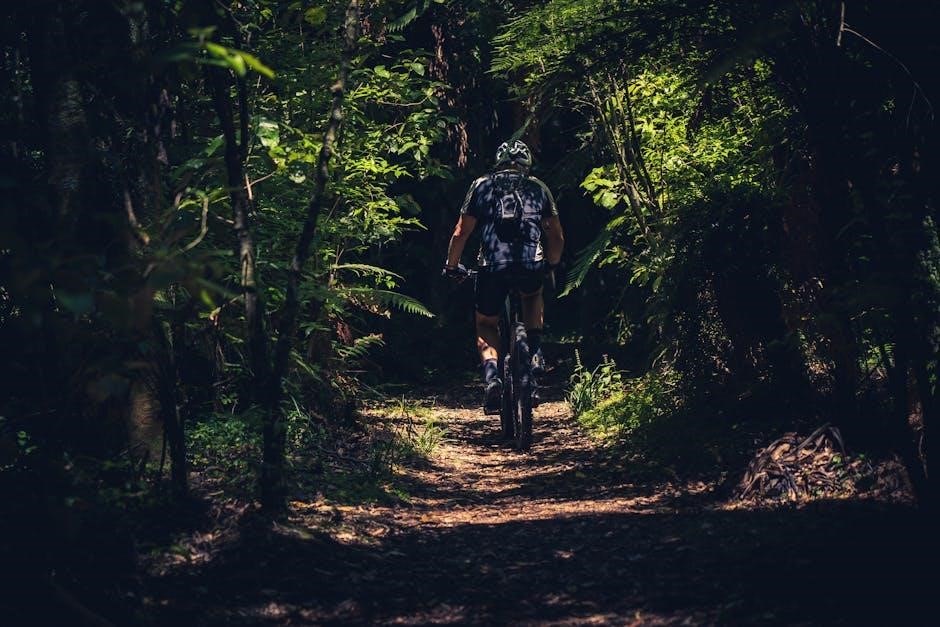
new zealand bike tours self guided
New Zealand Bike Tours: A Comprehensive Guide to Self-Guided Adventures
Discover the freedom of New Zealand’s cycle trails! Explore lush vineyards and tranquil scenery at your own pace with convenient self-guided options.
What are Self-Guided Bike Tours?
Self-guided bike tours in New Zealand offer an unparalleled level of independence and flexibility for cyclists. Unlike traditional guided tours with a group and a leader, you navigate the trails at your own rhythm, choosing when to start, stop, and explore. These adventures typically include pre-planned routes, detailed maps, and pre-booked accommodations, but the actual riding and sightseeing are entirely up to you.
This style of touring allows for spontaneous detours to charming towns, extended pauses to admire breathtaking landscapes, or simply a leisurely pace to fully immerse yourself in the New Zealand countryside. It’s perfect for those who value freedom and a personalized travel experience, offering a unique way to connect with the environment and local culture.
The Appeal of Self-Guided Cycling in New Zealand
New Zealand’s diverse landscapes – from rolling hills and pristine coastlines to majestic mountains and lush rainforests – create an idyllic setting for cycling adventures. Self-guided tours amplify this appeal, offering a deeply immersive experience. The freedom to explore at your own pace allows for genuine connection with the environment and local communities.
Furthermore, New Zealand boasts a well-developed network of dedicated cycle trails, ensuring safe and enjoyable routes for all skill levels. The tranquility and beauty of the countryside, combined with the convenience of pre-arranged logistics, make self-guided cycling an incredibly rewarding and accessible travel option. It’s a chance to truly disconnect and rejuvenate.

Popular New Zealand Cycle Trails for Self-Guided Tours
Explore iconic trails like the Otago Rail Trail, Alps 2 Ocean, Clutha Gold, and Lake Dunstan! New Zealand offers diverse routes for every cyclist.
The Otago Rail Trail
Embark on a journey through New Zealand’s captivating Otago Rail Trail, a premier destination for self-guided bike tours. This historic trail, once a railway line, now offers a relatively easy cycling experience suitable for various fitness levels. Discover stunning landscapes, from rolling hills to dramatic gorges, as you traverse the South Island’s interior.
The trail’s gentle gradients and well-maintained surface make it ideal for families and recreational cyclists. Immerse yourself in the region’s rich gold mining heritage, exploring charming towns and historical sites along the way. The Otago Rail Trail provides a unique blend of natural beauty and cultural immersion, promising an unforgettable adventure for all who explore it.
History and Scenery of the Otago Rail Trail
Originally constructed in the late 19th century to service the Central Otago goldfields, the Otago Rail Trail boasts a fascinating history. Today, cyclists traverse this repurposed railway line, experiencing breathtaking scenery. Imagine pedaling through rolling hills, past historic gold mining towns, and alongside the dramatic Taieri River gorge.
The trail’s landscape is diverse, showcasing the raw beauty of the South Island’s interior. Expect to encounter native flora and fauna, alongside remnants of the region’s pioneering past. The Otago Rail Trail isn’t just a bike ride; it’s a journey through time and a celebration of New Zealand’s natural wonders.
Otago Rail Trail Difficulty and Suitability
The Otago Rail Trail is generally considered a Grade 3 trail – moderate in difficulty. It’s largely gravel surface, with gentle gradients making it suitable for cyclists with a reasonable level of fitness. While not overly challenging, some sections involve longer distances between towns, requiring stamina.
Families, recreational cyclists, and those seeking a less strenuous adventure will find this trail enjoyable. E-bikes are increasingly popular, offering assistance on hills. However, a basic level of bike handling skill is recommended. The well-maintained trail and relatively flat terrain make it accessible to a wide range of abilities.
The Alps 2 Ocean Cycle Trail
Embark on New Zealand’s longest continuous cycle trail, traversing the stunning South Island from the Southern Alps to the Pacific Ocean. This epic journey showcases diverse landscapes, including majestic mountains, turquoise rivers, and rolling farmland. The Alps 2 Ocean trail offers a truly immersive experience, blending natural beauty with historical charm.
Expect varied terrain, from gravel paths to sealed roads, with some challenging climbs rewarded by breathtaking views. The trail passes through charming towns, providing opportunities to experience local hospitality and learn about the region’s rich heritage. It’s a fantastic option for adventurous cyclists seeking a multi-day challenge.
Highlights of the Alps 2 Ocean Route
Experience the dramatic landscapes of the Mackenzie Basin, including the turquoise waters of Lake Pukaki with views of Aoraki/Mount Cook. Cycle through the historic gold mining town of Omarama, known for its gliding opportunities, and discover the unique geological formations of the Waitaki Valley.
The trail culminates in Oamaru, a Victorian-era town famed for its blue penguin colony and stunning architecture. Don’t miss the Elephant Rocks, fascinating Moeraki Boulders, and the captivating beauty of the Waitaki River. This route offers a blend of natural wonders and cultural experiences, creating unforgettable memories for cyclists.
Alps 2 Ocean Trail Logistics and Planning
Careful planning is crucial for the Alps 2 Ocean Trail. Consider a shuttle service to transport you and your bike to the starting point in Mount Cook Village. Pre-booking accommodation and luggage transfer is highly recommended, especially during peak season. The trail is generally well-signposted, but a detailed map and GPS device are beneficial.
Allow approximately 4-6 days to complete the full trail, factoring in your fitness level and desired sightseeing stops. Be prepared for varied weather conditions, including strong winds and potential rain. Ensure your bike is well-maintained and equipped for all terrains.
The Clutha Gold Trail
Journey back in time along the Clutha Gold Trail, retracing the steps of gold miners from the 1860s. This accessible trail winds through stunning Central Otago landscapes, following the Clutha River/Mata-Au. Experience a blend of historic sites, charming towns, and picturesque farmland. The trail offers a relatively easy grade, making it suitable for a wide range of fitness levels and families.
Expect well-maintained gravel paths and gentle gradients, with opportunities for short detours to explore local attractions. The Clutha Gold Trail provides a captivating glimpse into New Zealand’s gold rush heritage.
Exploring the Clutha Gold Trail’s Heritage
Delve into the rich history of the Clutha Gold Trail, a region profoundly shaped by the 1860s gold rush. Discover remnants of historic mining settlements, including preserved stone buildings and evocative gold diggings. Explore the stories of the determined miners who sought fortune along the Clutha River/Mata-Au; Visit informative displays detailing the region’s pioneering past and the impact of gold on its development.
The trail offers a tangible connection to New Zealand’s colonial era, allowing cyclists to immerse themselves in the tales of hardship, hope, and prosperity that defined this golden age.
Clutha Gold Trail Accommodation Options
The Clutha Gold Trail boasts a diverse range of accommodation to suit every preference and budget. Options include charming bed and breakfasts offering personalized hospitality, comfortable hotels providing modern amenities, and rustic backcountry huts for a more immersive experience. Several campsites are also available for those seeking a closer connection with nature.
Expect to find welcoming guesthouses in historic towns along the route, providing a glimpse into local life. Booking in advance is highly recommended, especially during peak season, to secure your preferred lodging along this popular trail;
The Lake Dunstan Trail
The Lake Dunstan Trail presents a stunning journey through Central Otago, showcasing dramatic landscapes and historical remnants. This relatively new cycle trail winds along the shores of Lake Dunstan, offering breathtaking views of the surrounding mountains and vineyards. Expect a mix of gravel paths and well-maintained trails, suitable for intermediate cyclists.
The trail provides access to charming towns like Cromwell and Clyde, allowing exploration of local heritage and hospitality. It’s a fantastic option for those seeking a scenic and rewarding self-guided adventure in New Zealand’s South Island.

Scenic Beauty of the Lake Dunstan Trail
The Lake Dunstan Trail is renowned for its spectacular scenery, blending natural beauty with historical significance. Cyclists are treated to panoramic views of the turquoise waters of Lake Dunstan, framed by the rugged peaks of the Central Otago landscape. Vineyards and orchards dot the route, offering glimpses into the region’s thriving agricultural heartland.
The trail’s design maximizes visual appeal, with sections hugging the shoreline and others climbing gently to reveal expansive vistas. It’s a photographer’s paradise and a truly immersive experience for nature lovers seeking a memorable self-guided bike tour.
Lake Dunstan Trail: A Relatively New Option
Opened in 2021, the Lake Dunstan Trail represents one of New Zealand’s newest additions to its impressive network of cycle paths. This relatively recent development means the trail and its associated infrastructure are in excellent condition, offering a smooth and enjoyable riding experience for all skill levels.
Being newer, it often experiences fewer crowds compared to more established trails like the Otago Rail Trail, providing a greater sense of solitude and connection with the landscape. Expect modern facilities and a continually evolving range of services catering to self-guided adventurers.

Planning Your Self-Guided New Zealand Bike Tour
Careful planning is key! Secure bike rentals, book accommodations along the trails in advance, and arrange transportation for a seamless adventure.
Bike Rental Options in New Zealand
Embarking on a self-guided tour necessitates reliable bike rental services, readily available throughout New Zealand. Numerous companies cater to cyclists of all levels, offering diverse bike types. Expect to find comfortable touring bikes, robust mountain bikes for off-road adventures, and even electric bikes (e-bikes) for tackling challenging terrains with ease. Rental packages often include essential accessories like helmets, repair kits, and panniers for carrying luggage.
Consider your planned route when selecting a bike; gravel trails benefit from wider tires, while paved paths suit road bikes. Several rental providers offer delivery and pick-up services, streamlining logistics. Booking in advance, especially during peak season, is highly recommended to secure your preferred bike and size.
Types of Bikes Available for Rent
New Zealand bike rental companies boast a comprehensive fleet to suit every cyclist and trail. Touring bikes are popular for multi-day adventures, featuring comfortable geometry and luggage-carrying capacity. Mountain bikes excel on gravel paths and challenging terrain, offering suspension for a smoother ride. For those seeking assistance, e-bikes provide an electric boost, conquering hills effortlessly.
Road bikes are available for paved routes, prioritizing speed and efficiency. Hybrid bikes offer versatility, blending features of both touring and mountain bikes. Specialized options, like full-suspension mountain bikes, cater to experienced riders. Rental packages often include options for child seats or tag-along bikes for family adventures.
Cost of Bike Rental
Bike rental costs in New Zealand vary depending on the bike type, rental duration, and company. Expect to pay around NZD $50-$80 per day for a standard touring or mountain bike. E-bikes typically range from NZD $80-$150+ per day, reflecting their advanced technology. Longer rental periods offer discounted daily rates; a week-long rental can significantly reduce the overall cost.
Additional charges may apply for accessories like helmets, locks, repair kits, or child seats. Some companies offer package deals including bike delivery and pick-up services. Booking in advance, especially during peak season, is recommended to secure availability and potentially benefit from early bird discounts.

Accommodation Along the Trails
Accommodation options along New Zealand’s cycle trails are diverse, catering to various budgets and preferences. You’ll find everything from cozy bed and breakfasts and charming guesthouses to comfortable hotels and rustic campsites. Many trails pass through small towns offering local hospitality and unique lodging experiences.
Expect to pay between NZD $80-$200+ per night, depending on the type of accommodation and location. Booking well in advance is crucial, particularly during peak season (November to April), as popular spots fill up quickly. Some operators offer accommodation packages combined with luggage transfer and bike rental for added convenience.
Variety of Accommodation Choices
New Zealand’s cycle trails boast a remarkable variety of accommodation choices, ensuring a comfortable experience for every cyclist. Options range from budget-friendly campsites and backpacker hostels to mid-range motels and boutique hotels. For a touch of luxury, consider staying in charming bed and breakfasts or secluded lodges.
Unique stays are also available, including farm stays offering a glimpse into rural life and eco-lodges prioritizing sustainability. Many towns along the trails feature holiday parks with cabins and self-contained units, ideal for families. Pre-booking is highly recommended, especially during peak season, to secure your preferred lodging.
Booking Accommodation in Advance
Securing accommodation well in advance is crucial for a smooth self-guided New Zealand bike tour, particularly during the peak season from November to April. Popular trails like the Otago Rail Trail and Alps 2 Ocean experience high demand, and lodging fills up quickly. Booking several months ahead guarantees availability and allows you to choose from a wider range of options.
Utilize online booking platforms or contact accommodation providers directly; Consider booking luggage transfer services simultaneously to streamline your trip. Last-minute bookings may result in limited choices or higher prices, potentially disrupting your planned itinerary. Don’t risk disappointment – plan ahead!
Transportation and Luggage Transfer
Reaching trailheads often requires pre-planning, as many are located in remote areas. Options include rental cars, shuttle services, or public transportation, depending on the trail’s starting point. Consider the logistics of returning to your starting location after completing the cycle. Luggage transfer services are invaluable for self-guided tours, allowing you to cycle unburdened.
Several companies specialize in transporting your bags between accommodations along the trails. Booking these services in advance is essential, especially during peak season. This convenience eliminates the need to carry heavy packs, enhancing your cycling experience and overall enjoyment of New Zealand’s stunning landscapes.
Options for Getting to Trailheads
Accessing the start of your chosen cycle trail requires careful consideration of transport options. Rental cars offer flexibility, allowing exploration beyond the trail itself, but parking can be limited at popular trailheads. Shuttle services specifically cater to cyclists, providing convenient drop-offs and pick-ups, often with bike transport included.
Public transportation, such as buses, can reach some trailheads, though schedules may be infrequent. Pre-booking is highly recommended for all transport methods, particularly during peak season. Consider the logistics of returning to your starting point – some services offer return transfers, while others require independent arrangements.

Luggage Transfer Services
Enjoy a hassle-free cycling experience by utilizing New Zealand’s reliable luggage transfer services. Several companies specialize in transporting your gear between accommodations along the popular cycle trails, allowing you to focus solely on enjoying the ride. These services typically operate on a pre-booked, per-bag basis, with weight restrictions applying.
Booking in advance is essential, especially during peak season, to guarantee availability. Consider the service’s collection and delivery points, ensuring they align with your accommodation locations. Utilizing luggage transfer significantly enhances the comfort and convenience of a self-guided tour, eliminating the burden of carrying heavy packs.

Essential Considerations for Self-Guided Tours
Prioritize fitness, pack appropriately, and prioritize safety while cycling. Budgeting carefully ensures a fulfilling New Zealand adventure on your self-guided bike tour!
Fitness Level and Trail Difficulty
Assessing your current fitness level is crucial before embarking on a New Zealand self-guided bike tour. Trails vary significantly in difficulty, ranging from gentle coastal paths suitable for beginners to challenging mountainous routes demanding considerable stamina. The Otago Rail Trail, for instance, is generally considered moderate, while the Alps 2 Ocean trail presents more substantial climbs and descents.
Consider the daily distances and elevation gains when selecting a trail. If you’re not a regular cyclist, opt for shorter distances and flatter terrain. Building up your fitness beforehand with regular cycling or cardio exercise will greatly enhance your enjoyment. Don’t underestimate the impact of gravel surfaces and potential headwinds!
What to Pack for a New Zealand Bike Tour
Packing appropriately is essential for a comfortable New Zealand cycling adventure. Layers are key, as the weather can change rapidly. Include waterproof and windproof jackets, breathable cycling clothing, and comfortable shoes for both cycling and walking. Don’t forget cycling gloves, a helmet (or rent one), and sunglasses.
Essential items also include sunscreen, insect repellent, a basic first-aid kit, a repair kit for minor bike issues (pump, spare tube, multi-tool), and a reusable water bottle. A lightweight backpack is useful for carrying essentials during the day. Finally, bring a camera to capture the stunning scenery!
Safety Tips for Cycling in New Zealand
Prioritize safety during your New Zealand bike tour. Always wear a helmet, and ensure your bike is well-maintained before each ride. Be aware of changing weather conditions and dress accordingly. New Zealand roads can be narrow and winding, so ride defensively and be visible – wear bright clothing.
Pay attention to traffic, especially on shared roads. Carry a first-aid kit and know basic repair skills. Inform someone of your route and estimated arrival time. Stay hydrated and take regular breaks. Be prepared for hills and varying terrain. Respect the environment and follow trail guidelines for a safe and enjoyable experience.
Cost of a Self-Guided Bike Tour
Self-guided New Zealand bike tour costs vary significantly. Expect to spend approximately NZD $1950 for a 7-day West Coast tour, or around NZD $1990 for an 8-day Queenstown & Southern Lakes adventure. These prices typically include bike hire but exclude accommodation and meals.
Factors influencing costs include trail length, accommodation choices (budget to luxury), luggage transfer services, and bike rental quality. Budgeting around NZD $150-$300 per day is reasonable, covering accommodation, food, and incidentals. Pre-booking accommodation and transport can often secure better rates, optimizing your travel budget.
Factors Influencing Tour Costs
Several key elements impact the overall cost of a New Zealand self-guided bike tour. Trail length is a primary driver, with longer routes naturally requiring more days and expenses. Accommodation choices significantly affect the budget; hostels are cheaper than boutique hotels.
Luggage transfer services add convenience but incur extra fees. Bike rental quality—basic versus e-bikes—also influences the price. Dining preferences (restaurants vs. self-catering) and incidental spending contribute. Finally, the time of year impacts costs, with peak season (summer) generally being more expensive.
Budgeting for Your Trip
Planning a realistic budget is crucial for a successful New Zealand self-guided bike tour. A conservative estimate for a moderate tour (7 days) ranges from NZD $1500 to $3000 per person. This includes bike rental, accommodation, luggage transfers, and some meals;
Factor in additional costs like flights, travel insurance, and activity expenses. Consider a daily spending allowance for food, drinks, and unexpected incidents. Pre-booking accommodation and transport can often secure better rates. Prioritizing free activities and self-catering can significantly reduce overall expenses, allowing for a more extended adventure.
Resources for Planning Your Tour
Utilize the New Zealand Cycle Trail website, local tourism centers, and online forums for detailed maps, trail conditions, and community advice.
New Zealand Cycle Trail Website
The official New Zealand Cycle Trail (NZCT) website is an invaluable resource for planning your self-guided adventure. It provides comprehensive information on all 22 Great Rides, including detailed trail maps, elevation profiles, and descriptions of the scenery and points of interest along each route. You’ll find crucial details about trail surfaces – gravel, paved, or mixed – helping you assess suitability for your bike and fitness level.

Furthermore, the website offers practical information regarding accommodation options, transportation services, and local businesses supporting cyclists. Regularly updated trail alerts regarding closures or maintenance are also available, ensuring a safe and informed journey. Booking links for luggage transfer and bike rentals are often integrated, streamlining your planning process. It’s the central hub for everything you need to know before you go!
Local Tourism Information Centers
New Zealand’s local i-SITE (information) centers are fantastic resources for self-guided bike tour planning. Strategically located throughout the country, these centers offer personalized advice tailored to your interests and fitness level. Knowledgeable staff can provide up-to-date trail conditions, suggest suitable routes based on your preferences, and assist with booking accommodation and transport.
They often stock detailed maps, brochures, and local guides, offering insights you won’t find online. Don’t hesitate to ask about hidden gems, local eateries, or alternative routes. i-SITE centers can also connect you with local bike rental shops and luggage transfer services, simplifying logistics. Visiting one upon arrival in a region is a smart move for a smooth and enjoyable cycling experience.
Online Forums and Communities
Engage with fellow cyclists and gather invaluable insights through online forums and communities dedicated to New Zealand bike touring. Platforms like Reddit (r/cyclingNZ) and dedicated cycling websites host active discussions where travelers share experiences, route recommendations, and practical tips for self-guided adventures.
These communities are excellent for obtaining recent trail condition updates, discovering hidden gems, and learning about potential challenges. You can ask specific questions about gear, accommodation, or logistics and receive advice from experienced riders. Many forums also feature trip reports and photos, inspiring your own itinerary. Connecting with others enhances planning and fosters a sense of camaraderie before and during your tour.